Animation isn’t just for amusement anymore. It powers marketing campaigns, product demos, and e-learning sections these days. Animation constantly changes as companies seek more creative, accessible, and effective methods to interact with their audiences.
The scope has expanded from hand-drawn sequences to 3D simulations, AI-powered interaction, and real-time rendering. This blog examines the major animation trends influencing creative workflows in various industries and the upcoming technology propelling this change.
A Shift Toward Intelligent and Interactive Animation
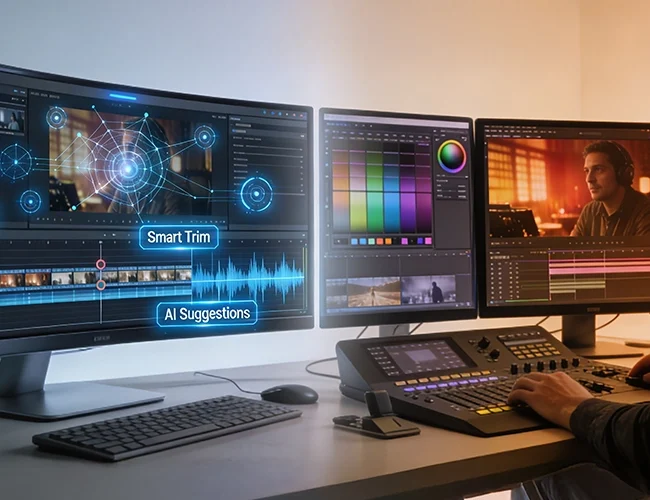
Animation is becoming smarter. One major trend shaping the industry is interactive animation using AI. It allows creators to build scenes that respond to viewer inputs, offering a tailored experience across learning platforms, websites, and mobile apps. For instance, EdTech businesses utilize intelligent animation to develop microlearning modules that let users choose the content’s direction and speed.
Corporate training managers benefit from adaptive visuals that align with learner performance in real time. AI is also enhancing character behavior, voice synchronization, and scene composition, making animation easier to create and more efficient.
Creating Hybrid Visual Experiences by Combining 2D and 3D
Many creative teams now blend 2D animation techniques with 3D animation techniques to create layered, high-impact graphics, even if 2D animation techniques are still popular due to their simplicity and clarity. Without losing its rhythm, a flat explainer movie might start with 2D motion graphics and transition to a 3D product depiction.
This strategy is frequently used in marketing efforts where scale and speed are crucial. By utilizing both 2D and 3D animation services, teams can remain flexible while preserving design coherence. Animation libraries and real-time rendering tools are also helping streamline this blend, especially in Figma-based UI/UX animations workflows.
Rise of Specialized Animation Techniques
Different industries require different animation capabilities. For instance:
- Medical animation services support pharmaceutical firms, device makers, and research teams by precisely illustrating internal body systems and treatment mechanisms.
- 3D product animation services allow brands to demonstrate usability, features, and design, without the cost or limitations of physical shoots.
- Explainer video animation services have become a go-to format for SaaS, fintech, and logistics brands to break complex offerings into digestible narratives.
- Character and game animation services help in storytelling and simulation-heavy content, often used in e-learning and gamified apps.
This level of specialization is essential for maintaining accuracy, brand tone, and engagement across platforms.
Stop Motion and Traditional Techniques Make a Comeback

Though modern animation leans toward real-time rendering and automation, there’s a growing interest in nostalgic styles like stop motion animation and traditional animation techniques. These offer a tactile feel that digital tools sometimes miss.
Tech brands use stop-animation techniques in product reveals and social videos to stand out in cluttered feeds. L&D teams also find stop-frame animation techniques useful when creating narratives with emotional depth or tactile realism, especially for internal communications.
Motion Capture, VR, and Pipeline Integration
Motion capture and virtual reality are becoming integral to companies building immersive experiences. 3D walkthrough animation services are particularly relevant for architecture firms, real estate, and product demo teams aiming to offer immersive previews.
With the help of automation and new plug-ins, creative teams are now integrating animation directly into their UI/UX and LMS systems. From animated onboarding flows to compliance training content, animation is no longer a final step but part of the product development pipeline.
Animation in Corporate Learning and Development
Learning and Development teams are using animation not just to inform, but also to drive behavior. Whiteboard animation services, for instance, are widely used for internal policy training. Combined with pip animation services, these formats deliver structure and clarity with minimal cognitive load.
As AI tutors become more prevalent in corporate LMS platforms, animation helps humanize interactions. Animated feedback loops, branching decision trees, and soft-skill simulations are all becoming standard features in modern training ecosystems.
The Bottomline – Future-Ready Teams Need Future-Ready Animation
Animation is a commercial tool in today’s fast-paced digital environment, not just a design feature. Across platforms and industries, marketing executives, instructional designers, and UI/UX teams use animation services that fulfill specific communication objectives.
Today, the emphasis is on scale, accuracy, and flexibility in everything from logo animation services to full-scale 2D animation and 3D animation services. Animation methods, techniques, and expectations will change along with technology.
Are you prepared to improve your visual communication strategy? Contact us today to take advantage of our professional animation services that bring clarity, speed, and creativity to every project.
How is AI used in animation?
AI speeds up animation by automating tasks like lip-sync, motion cleanup, and background design. It helps studios produce high-quality content faster without losing creative control.
Which industries benefit from animation?
Animation is used in healthcare, e-learning, real estate, gaming, and digital marketing. It simplifies complex ideas and improves the audience’s understanding and connection with the content.
Is 3D animation replacing 2D?
3D is growing fast, but 2D remains popular for its simplicity and storytelling value. Many studios now use both styles together for better visual variety.
How will VR impact animation?
VR makes animation more immersive with interactive 360° experiences. It’s pushing animators to adopt real-time tools and rethink how stories are told.
Video Caddy