A high-quality product demo video can be one of the most powerful weapons for persuading customers and gaining trust. On YouTube alone, millions of individuals look for answers every day, and a solid demo isn’t merely a marketing resource, but is also a business imperative. Whether you’re a hardware company, a SaaS company, an e-commerce retailer, or a startup about to go live, having the best practices for product demo videos can make you different and give back to your audience.
Great product demos do more than tell us how something works. They tell us why the product is important, how it addresses a particular issue, and why we should take action immediately. That’s the distinction between a simple walkthrough and a professional film.
This blog will walk you through planning, production, and post-production so that you can make a Product Demo Video for YouTube that grabs attention, holds viewers, and generates conversions.
What is a Product Demo?
A product demo is a video that showcases the features, functionality, and advantages of a product understandably and convincingly. It may be a physical product, some software, or even an online service. The intent is not merely to demonstrate, but to persuade.
For example, a SaaS business can utilize a SaaS product demo video to tour workflows and integrations, whereas a retail company can use unboxing and actual usage. In either scenario, the video narrates a story of how the product integrates into the customer’s life or business.
Why Demo Videos Work on YouTube
In reality, when it comes to decision-making, seeing is believing. Seeing the product in action increases the likelihood that customers will purchase it. Brands can communicate with prospective clients, increase their visibility in search results, and create YouTube videos that people want to share.
A solid product demo video also reduces the length of the sales cycle. Rather than lengthy descriptions or brochures, customers can see the product and grasp its value quickly. This applies most to rich offerings such as demo hardware and software that need explaining.
For e-commerce companies and startups, demo videos serve as a demonstration of credibility. For R&D teams and agencies, they serve as a demonstration of innovation. For SaaS companies, they reduce customer doubts during the sign-up or trial stages.
Planning Your Product Demo
Every great demo begins with clear planning. Start by identifying your audience. Are you talking to a consumer, a business decision-maker, or a technical evaluator? A product demo video for startups will look very different from a video aimed at enterprise clients. Next, define the “hero problem” your product solves. This ensures the script speaks directly to customer pain points instead of just listing features.
At this stage, professional storyboarding becomes critical. Outlining each scene beforehand can prevent wasted production time and preserve a logical flow. Storyboarding can be thought of as your blueprint. It guarantees that the visual presentation of your products will be consistent with your brand’s message.
Production: Bringing the Demo to Life
Once the plan is ready, production begins. For physical products, this means recording the product in use, capturing angles that highlight its design, durability, and everyday application. For SaaS or digital products, production often involves screen recordings, workflow demonstrations, and voiceover narration that explains key steps.
Lighting, framing, and audio are all important. A shaky video or poor sound quality can reduce trust. Use clean voiceovers and make sure the product is always the hero on screen. For added clarity, you can combine live-action with animated product demos to simplify complex ideas.
Interactive content is another growing trend. An interactive product demo animation allows viewers to engage with the video by exploring features or making choices. For digital products, using AI-powered product demos makes the experience more personal and memorable. Businesses are also starting to experiment with AI product demos to automate parts of the production or highlight features dynamically.
Editing and Post-Production
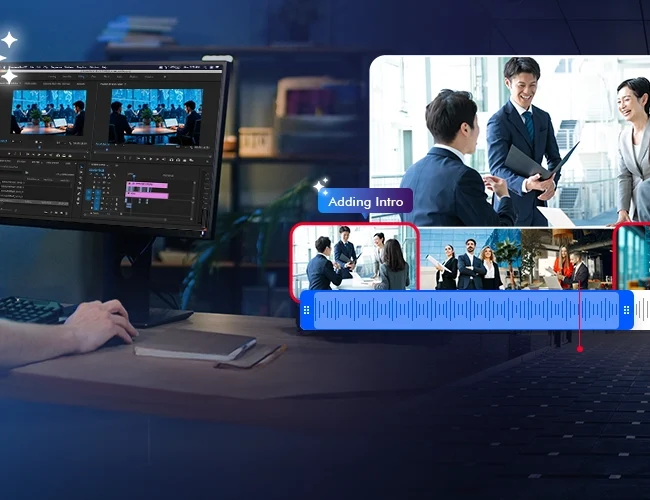
Editing is the process through which a rough shoot becomes a refined product demo. This is where you refine pacing, cut out unnecessary content, and incorporate brand consistency. A properly edited product video ensures that the viewer will stay interested
and that the film looks polished. Transitions, subtitles, animations, and motion graphics that showcase the product’s advantages are all part of a quality edit.
For enterprise video content, if your organization lacks the resources, it is best to edit corporate demo videos with the assistance of professionals. A professional editing team can synchronize the video with your company’s tone, optimize it for visibility on YouTube, and craft a consistent viewer experience. Product demo tools or product demo software are also utilized by most businesses during post-production to streamline the process and render it repeatable for several campaigns.
Product Demo Video Best Practices
There are some general rules that apply across industries when making product demo videos:
- Begin with value : Begin with the problem your customers care about and show immediately how your product addresses it.
- Be brief : The best videos tend to be between a minute and three minutes. This maintains high attention without flooding the viewer.
- Use genuine context : To assist clients in seeing themselves using a product, show them in real-world settings.
- Strike a balance between features and advantages : Explain why people should care rather than what it does.
- Incorporate clear calls to action : Every video should instruct the audience on what to do next, such as visiting a website, registering, or making a purchase.
- Optimize for YouTube : To increase visibility, use branded thumbnails, thorough descriptions, and searchable titles.
These product demonstration video best practices are particularly helpful if you are producing several videos targeting various customer segments or conducting targeted campaigns.
Styles to Consider
Not every product demo has to look the same. Depending on your brand and audience, you can choose different approaches:
- Live action : Ideal for hardware and retail products where touch, feel, and use matter.
- Screen recordings : Perfect for SaaS companies to show workflows and integrations.
- Animated demos : These are useful for explaining abstract or technical processes.
- Interactive demos : Letting viewers explore features increases engagement.
- AI-assisted demos : Helpful for scaling content quickly or adding smart highlights.
Combining formats often works best for a live demo with animated overlays highlighting unique features.
Measuring Success
The job is not over once the video is uploaded. To know if your demo is effective, track performance. The most important indicators are click-through rates, likes, shares, watch time, and viewer retention. To improve pacing, review your script or make edits if you see drop-offs.
You should monitor the number of people who visit your product pages or sign-up forms from YouTube if you are an e-commerce or SaaS company. You may create a repeatable system for success and improve your next production demo with the help of these metrics.
Why Work with Experts
Many businesses underestimate the effort needed to create a truly powerful demo. Precision is necessary at every stage, from planning to production and editing. Collaborating with professionals can expedite production and ensure your videos meet the standards your audience expects. A dependable crew can handle the entire process of producing a product demo video, saving time and improving the output -quality.
Conclusion
A compelling demo tells a valuable tale and goes beyond a simple tour. Brands may transform basic demos into powerful assets by adhering to best practices for product demo videos, such as utilizing clear scripts, expert storyboarding, and professional product video editing support. YouTube provides the ideal venue for exhibiting and selling products, whether you are prepping a hardware launch, introducing a new SaaS solution, or showcasing a retail product. Making a demonstration that inspires and educates is crucial.
FAQ’s
1. What is the optimal length of a YouTube product demo video?
One to three minutes is best. It is long enough to provide value but brief enough to maintain focus.
2. Do I need to script my product demo video?
Yes. Scripting provides clarity, maintains the flow, and avoids the demo from derailing.
3. Can product demo videos enhance YouTube visibility?
Yes, well-optimized demo videos with keywords, solid thumbnails, and solid watch times assist in enhancing rankings and visibility on YouTube.
4. How do startups produce affordable demo videos?
Startups may employ basic tools, generic footage, and templates while outsourcing the editing to keep costs low without compromising on quality.
5. How do you make a product demo interesting?
Maintain a tight pace, begin with an issue, incorporate visuals and movement, and always demonstrate how the product enhances the user’s life.
Video Caddy