High-volume projects are never easy for VFX studios to handle. There is little room for error, strict deadlines, and high creative expectations. At this point, scalable VFX support and professional animated video production services become essential components of post-production. Studios may free up their core teams, retain productivity, and deliver projects without sacrificing quality by collaborating with a reputable rotoscoping animation provider.
The Role of Rotoscoping in VFX Pipelines
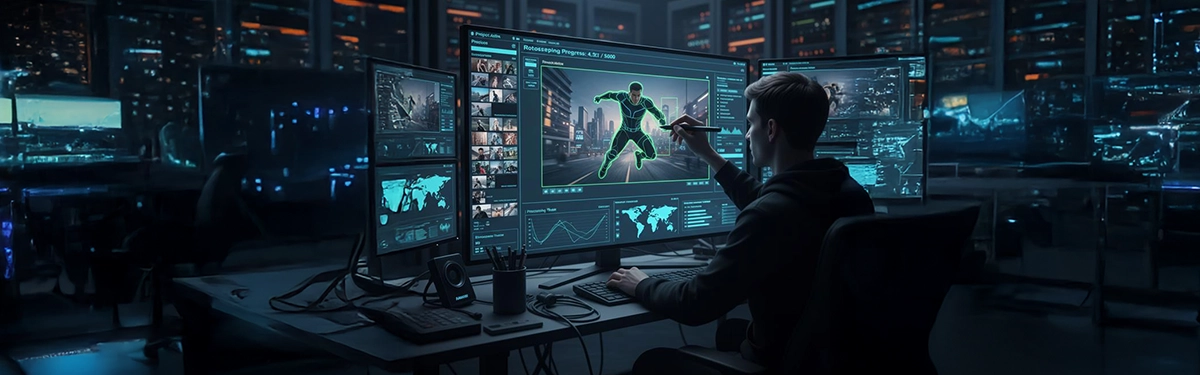
Rotoscoping is the backbone of most visual effects workflows. Whether isolating actors, preparing clean plates, or enabling compositing, it provides the base for advanced VFX effects and animation effect integration. For mid-sized studios or global post-production facilities, even a small project can involve thousands of frames requiring frame-by-frame accuracy.
High-end VFX visual sequences demand consistency, and scalable support ensures no frame slips unnoticed. This becomes vital when projects involve scanline VFX, complex simulations, or heavy motion VFX layering. Without dedicated capacity, bottlenecks slow down creative delivery.
Why Scalability Matters for VFX Studios
VFX studios frequently manage several concurrent feature projects, ads, or television shows. Thanks to scalable rotoscoping for VFX studios, teams may swiftly increase production capacity without straining internal resources. With rotoscoping outsourcing services, teams can access large-scale support while retaining creative control.
Key benefits include:
- Faster turnaround on bulk frame deliveries.
- Reliable results for high-volume rotoscoping solutions.
- Flexible bandwidth to handle last-minute client requests.
- Streamlined delivery across complex production pipelines.
This level of support is often the difference between meeting or missing release schedules for boutique commercial studios and large feature VFX houses.
Human Skill Meets Technology: AI and Automation in Rotoscoping
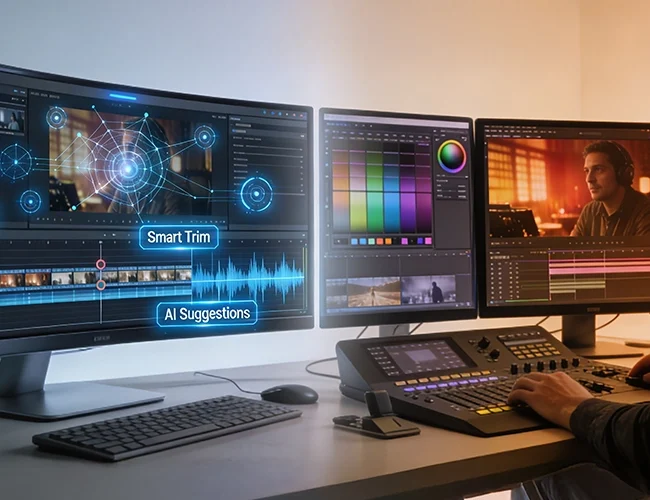
With AI VFX tools becoming more common, automation now handles initial masking, tracking, and basic mattes. While it saves time, a professional rotoscoping service provider is essential to refine outputs for clean results. AI reduces repetitive labor, but complex edges like hair, smoke, or transparent objects still demand human precision, which is offered by professional rotoscope services.
The most effective model is hybrid: automation accelerates, while skilled VFX artist teams guarantee accuracy. This balance helps studios control costs while maintaining the standard expected in global projects.
Outsourcing Rotoscoping: A Strategic Decision
VFX Studios must decide when to keep rotoscoping in-house and when to outsource. Internal teams usually focus on hero shots or high-complexity sequences that need close supervision. Outsourced VFX roto-scoping services are better suited for volume-heavy shots, crowd scenes, and clean plate generation.
Outsourced rotoscoping for film & TV ensures uninterrupted progress when internal resources are stretched thin. This approach provides creative bandwidth for higher-value tasks such as high-quality 3D animation or compositing final shots.
How Scalable Rotoscoping Improves Creative Flexibility
Scalability provides more than just bandwidth. For post-production facilities, it ensures a smooth flow from raw plate to delivery-ready sequence. With the right rotoscoping services, studios benefit from:
- Frame-accurate mattes aligned with client software preferences.
- Support across all major VFX software platforms.
- Dedicated QC processes that reduce revision cycles.
- Adaptability to handle large episodic timelines and theatrical releases.
Studios can pursue ambitious projects while satisfying customer expectations when they collaborate with a reliable rotoscoping animation partner.
Impact on Different Studio Segments
There is no one-size-fits-all approach to scalable rotoscoping. The advantages and disadvantages vary across studios, based on customer requests, workflows, and size.
Mid-Sized Animation Studios
They gain efficiency by outsourcing repetitive shots, keeping core animators focused on stop motion animation ideas and creative sequences.
Large Feature VFX Houses & Film Post-Facilities
These teams often run parallel units. Bulk rotoscoping support for animation projects ensures each pipeline maintains speed across multiple shows.
Boutique Commercial & Advertising Studios
Commercial deadlines leave no room for error. Scalable support allows these studios to maintain agility while delivering broadcast-quality VFX effects.
Post-Production Outsourcers & Pipeline Partners
Global partners handle volume at scale. Rotoscoping animation service providers integrate into pipelines seamlessly, delivering consistency across time zones.
In-House Creative and Content Teams
For corporate films and streaming platforms, scalability ensures quick promotional content delivery without delaying launches.
The Cost Perspective
Costs in rotoscoping depend on frame count, complexity, turnaround expectations, and whether AI pre-processing is involved. While outsourcing saves money, quality remains the key factor. VFX studios should choose providers offering transparent pricing aligned with the level of detail required.
Building Long-Term Partnerships
A professional rotoscoping service provider is an extension of the internal team for studios managing ongoing projects, not just a vendor. Over time, outsourcing partners offer continuity, speed, and flexibility by coordinating workflows, asset formats, and quality control checks.
FAQ’s
1. How much rotoscoping time can automation or AI save?
Although AI can reduce the human framework by 30–40%, accurate final refining requires the support of expert artists.
2. Why does a studio need scalable rotoscoping?
It enables studios to meet ambitious delivery timelines, eliminate internal bottlenecks, and preserve creative concentration without compromising turnaround time.
3. What factors affect rotoscoping cost?
Shot complexity, frame count, turnaround speed, and software compatibility are the main cost drivers for rotoscoping projects.
4. When should a studio outsource vs keep roto in-house?
Outsource high-volume, repetitive shots. Keep complex, client-facing hero shots in-house for tighter control and supervision.
5. Which software is frequently used for rotoscoping?
The most popular VFX software in professional rotoscoping pipelines are Mocha Pro, Silhouette, and Nuke.
Video Caddy